EntryNo. 0014
Colossal Squid: The First One Confirmed on Video at Depth (2025) Was Nearly a Foot Long
Published
Parts of this entry8 parts
Spec card
Size analogy (length)≈ 1.4 average U.S. men lying head to toeScale: Te Papa mantle length 2.5 m ÷ CDC FastStats average height of U.S. men 20 and over, 68.9 in (175.0 cm) = 1.43
- Common name
- Colossal squidSource: WoRMS AphiaID 325299, English vernacular name (checked 2026-10-10)
- Scientific name
- Mesonychoteuthis hamiltoni G. C. Robson, 1925Source: WoRMS AphiaID 325299 (accepted, checked 2026-10-10); GBIF Backbone usageKey 2289991 (accepted)
- Group
- Glass squid: class Cephalopoda, order Oegopsida, family CranchiidaeSource: WoRMS classification of AphiaID 325299 (2026-10-10)
- Described species
- One; the genus Mesonychoteuthis has a single speciesSource: WoRMS children of genus AphiaID 325298 (1 accepted species, 2026-10-10); McSweeny 1970 (cites Clarke 1966: genus monotypic)
- Size band
- Heaviest on record (2007): mantle 2.5 m, total length 4.2 m after thawing; weighed at about 495 kg while frozen, about 470 kg estimated (a third Te Papa page gives 490 kg)Source: Te Papa, "How big is the colossal squid on display?", "Colossal squid at Te Papa" and "The difference between colossal squid, giant squid, and octopus"; Remeslo et al. 2015 (maximum recorded weight 495 kg); McClain et al. 2015 (495 kg)
- Distribution / habitat
- Southern Ocean to 70°S; may occasionally reach as far north as 40°S, particularly off South AfricaSource: WoRMS distribution record (Southern Ocean); Remeslo et al. 2015 (range summary from earlier work)
- Depth band
- 500–2,000 m from late juvenile stages on; the 2007 specimen attacked a hooked toothfish at 1,500 m; a juvenile was filmed at 600 mSource: Remeslo et al. 2015 (range summary); Te Papa, "Colossal squid at Te Papa" (1,500 m); Schmidt Ocean Institute 2025 (600 m)
- Three ID features
- A double row of hooks along the middle of each of the eight arms
- two rows of swiveling hooks on each tentacle club
- a light organ on each eyeball
- The misidentification twin
- Can be confused with the giant squid (Architeuthis dux); Roper names the colossal squid as the only squid that approaches the giant squid in size. The colossal squid has hooks on its arms, where Roper's description of the giant squid lists suckers. Juveniles can be confused with the glacial glass squid (Galiteuthis glacialis), which also has tentacle hooks but no hooks on the armsSource: Roper 2016, Tree of Life (M. hamiltoni the only squid approaching A. dux in size; A. dux arms with suckers in two series); Te Papa, "The arms and tentacles of the colossal squid"; Schmidt Ocean Institute 2025 (juvenile look-alike; arm hooks tell them apart); McSweeny 1970 (only cranchiid known with arm hooks; Galiteuthis arms with suckers along their full length)
Download this card as CSV colossal-squid-spec-card.csv · CC BY 4.0File label (JSON): name, license, publisher
Main images
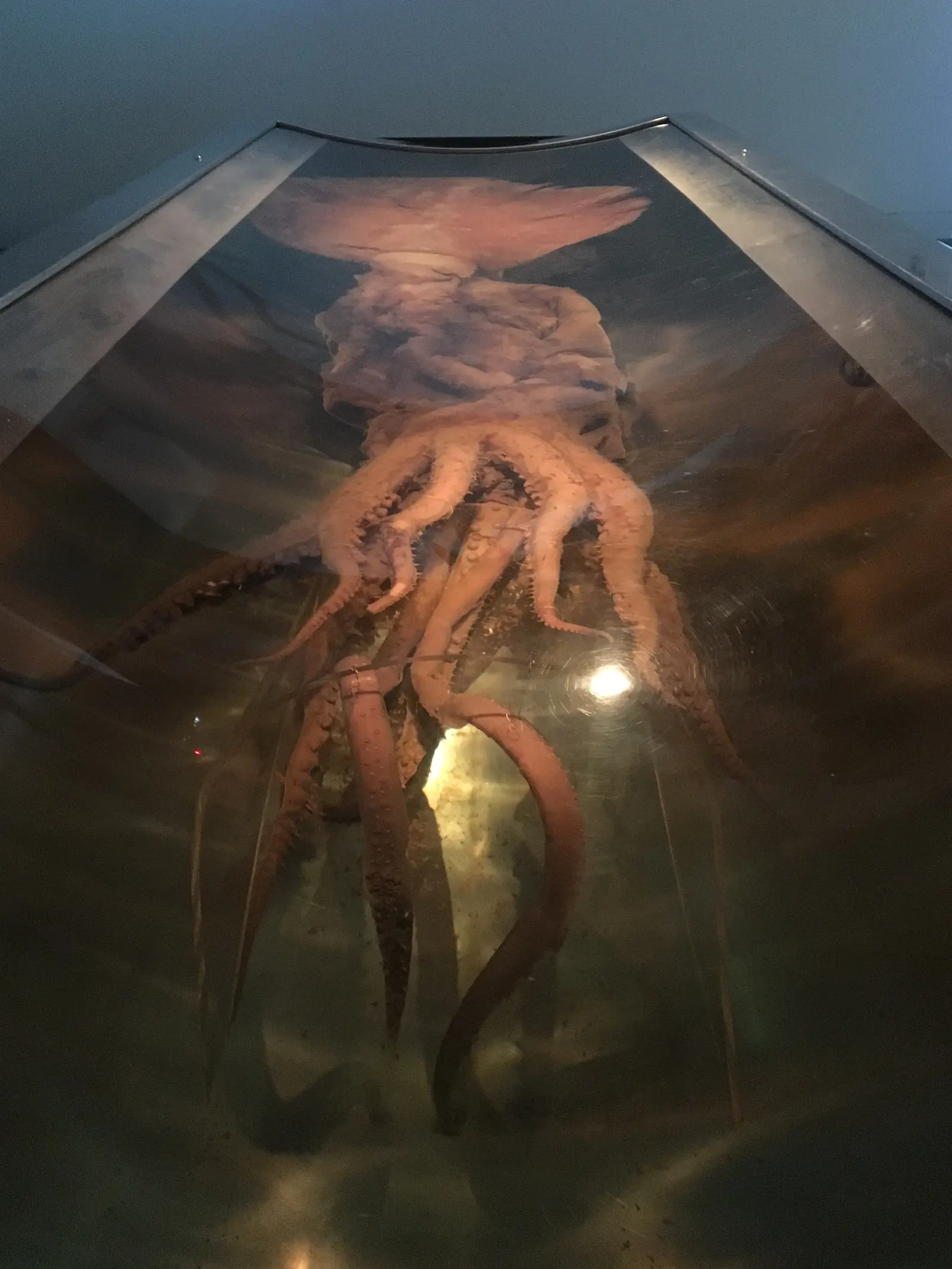
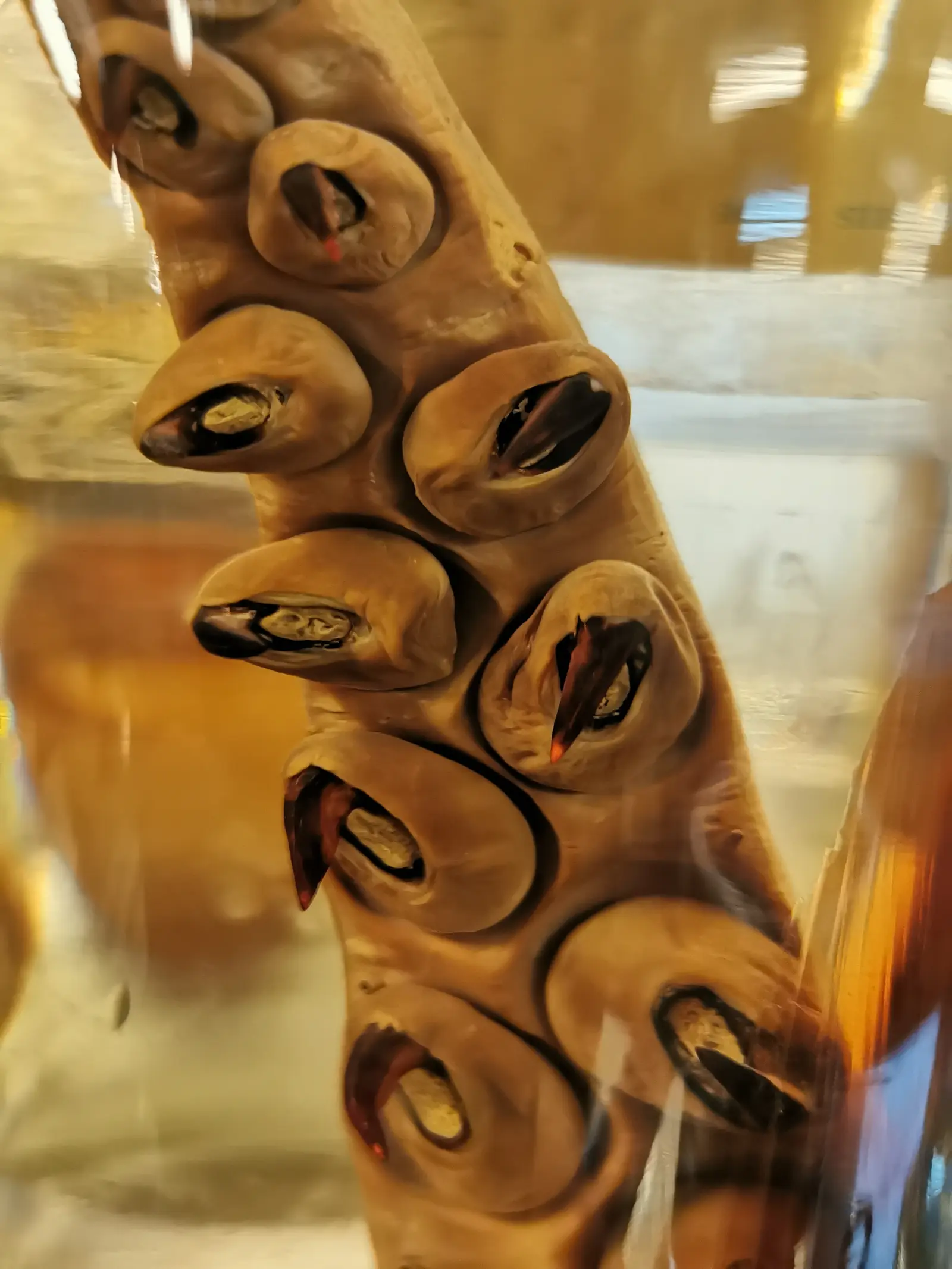
Two different animals: Te Papa's colossal squid in Wellington (its only one on display, caught in 2007) and a tentacle club at the Natural History Museum, London.
The short answer
The first colossal squid confirmed on video in its habitat, in 2025, was see-through and about 30 cm long. An underwater robot from Schmidt Ocean Institute filmed the juvenile at 600 m near the South Sandwich Islands on 9 March; the institute's April 2025 announcement called it the first confirmed live sighting in its natural habitat.
Adults are far bigger. The colossal squid, Mesonychoteuthis hamiltoni, is a glass squid of the Southern Ocean with hooks on its arms and tentacles. The heaviest on record, caught in 2007, was weighed at about 495 kg while still frozen. Its mantle, the main body, was 2.5 m long, about 1.4 average U.S. men lying head to toe.
How was the colossal squid discovered?
The species was named from leftovers. In 1925, G. C. Robson described it from two crowns of arms found in a sperm whale's stomach, noting hooks in the middle of the arms. A 1970 paper gave the first full description, from four juveniles netted in Antarctic waters, with mantles 59 to 86 mm long.
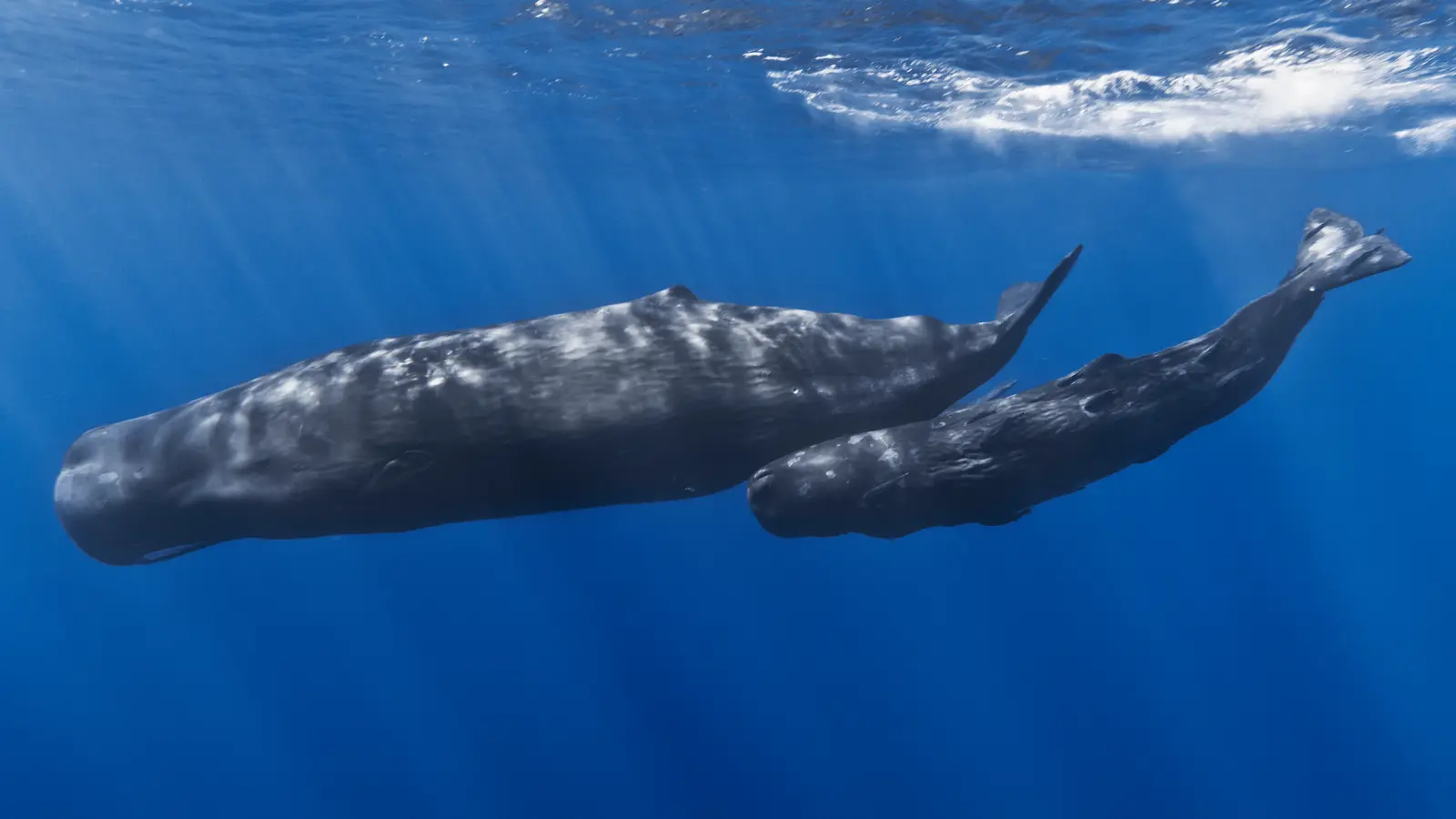
A mother sperm whale and her calf off Mauritius.
In 2003, a New Zealand longliner, a boat that fishes with long baited lines, caught an immature female with a 2.5 m mantle, which Te Papa, the Museum of New Zealand, calls the first complete colossal squid. A 2015 review counted 12 complete specimens, half of them juveniles or subadults, and 55 known only from beaks; Te Papa's pages count nine above juvenile size on one page, eight adults on another.
How big is a colossal squid?
Length is the slippery number. Early estimates for the 2007 squid ran from 8 to 10 m. Once thawed, it measured 4.2 m in total. Te Papa thinks its tentacles may have shrunk after death, and that the squid dried out during 14 months in a freezer; in museum tests, fresh arrow squid shrank by up to 22% in alcohol solutions.
With a similar mantle length, the 2003 specimen was 5.4 m long and weighed about 300 kg despite heavy damage. Te Papa says this suggests the species varies a great deal.
When the 2007 squid was weighed at about 495 kg, it was still frozen and holding some ice, so Te Papa considers about 470 kg more accurate. Another Te Papa page gives 490 kg.
The beak is the steadier clue. It is made of chitin, like the internal shell called the gladius, and Te Papa says it does not shrink like the other tissues. Form is frozen physics, and after death the beak is where that still holds.
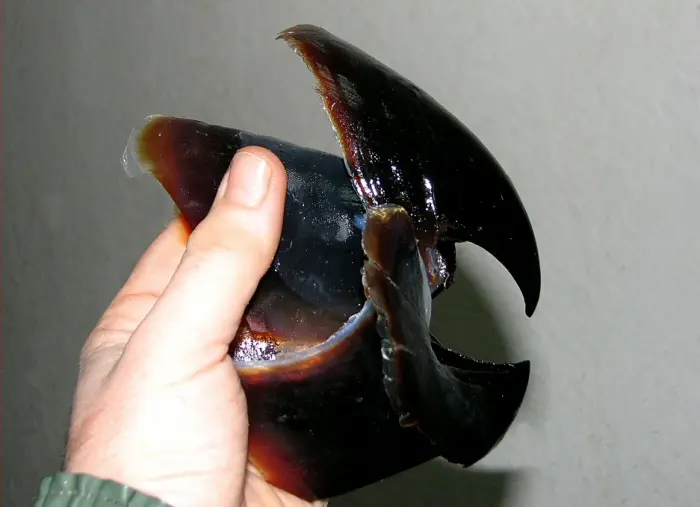
A colossal squid beak held in a hand; the photographer records it from the Amundsen Sea, Antarctica.
The 2007 squid's lower beak measured 42.5 mm along its straight cutting edge, a measure called the lower rostral length. Beaks up to 49 mm long have been found in sperm whale stomachs. Te Papa says it cannot be sure, but such an animal could weigh up to 600 or 700 kg; too few specimens exist to work out how beak size relates to body size.
What are a colossal squid's hooks for?
Te Papa calls the colossal squid the only hooked squid in its family, the roughly 20 species of glass squids; the 1970 paper put it more narrowly, as the only glass squid known with hooks on its arms. Each of the eight arms carries a double row of hooks along its middle, with suckers above and below. Most arm hooks are three-pointed and sit in muscular sheaths, and the museum says they probably help hold struggling prey.
Each tentacle club carries two rows of smaller, single-clawed hooks. Te Papa counts 22 to 25 tentacle hooks in total. These sit on short stalks and can turn through 360 degrees; Te Papa does not know whether the squid steers them or they swivel on their own. After examining most squid genera with tentacle hooks, the 1970 paper found that all of them could swivel to some degree, and doubted the feature had particular significance in this species.
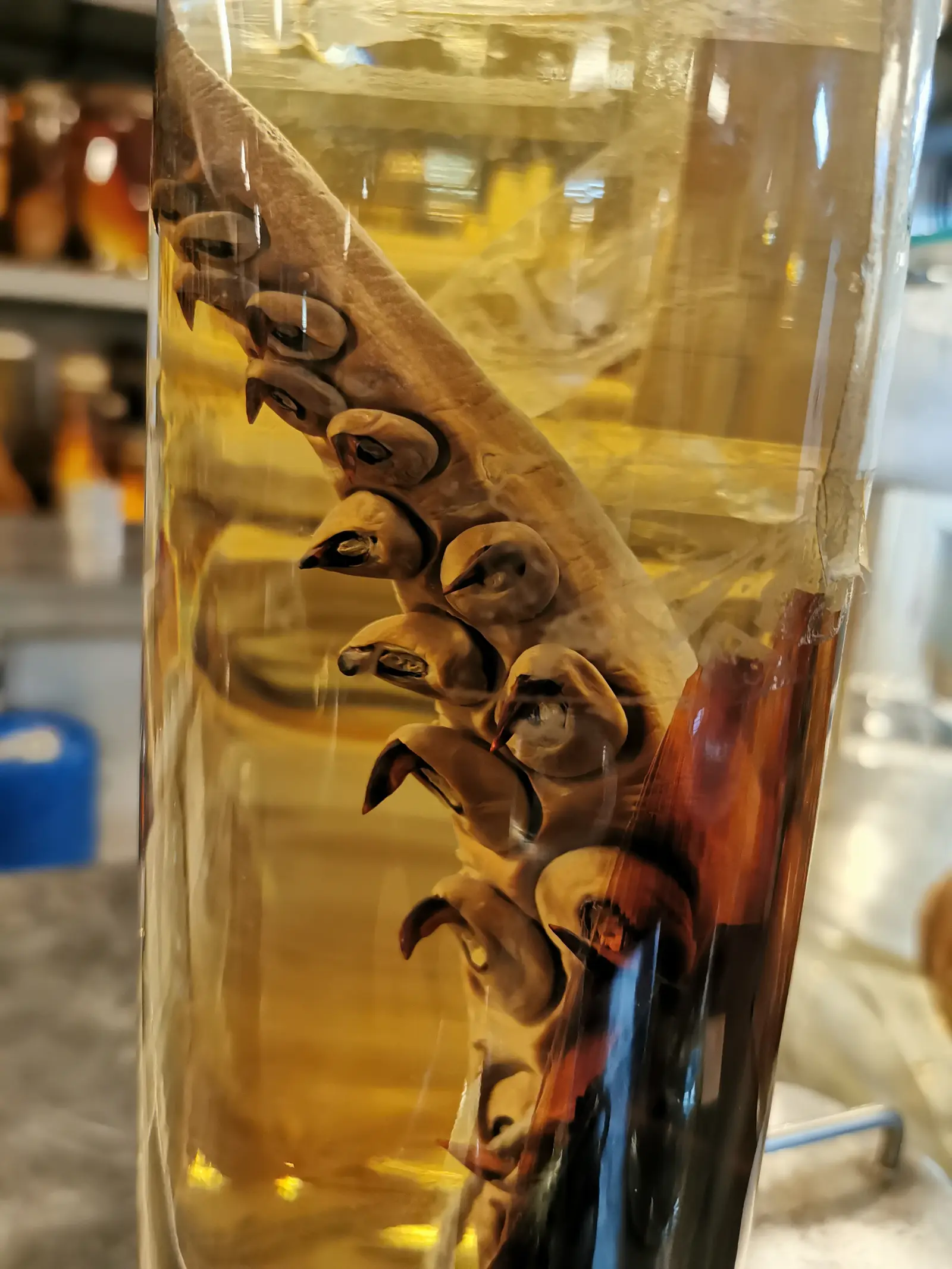
A colossal squid tentacle club at the Natural History Museum, London, seen from the side, so each hook's single curved claw shows in profile.
The suckers have sharply serrated hard rings inside. Antarctic toothfish hauled up on longlines can carry ring-shaped imprints 1 to 2 cm across, sometimes up to 3 cm, dotted with punctures from the sucker teeth.
Where does a colossal squid live, and how deep?
The World Register of Marine Species (WoRMS) lists it from the Southern Ocean. A 2015 paper, summarizing earlier work, puts its range south to 70°S and says it may occasionally reach 40°S, particularly off South Africa; the same summary places it at 500 to 2,000 m from late juvenile stages onward. In 2007, the squid now at Te Papa attacked a toothfish on a fishing line 1,500 m down in the Ross Sea.
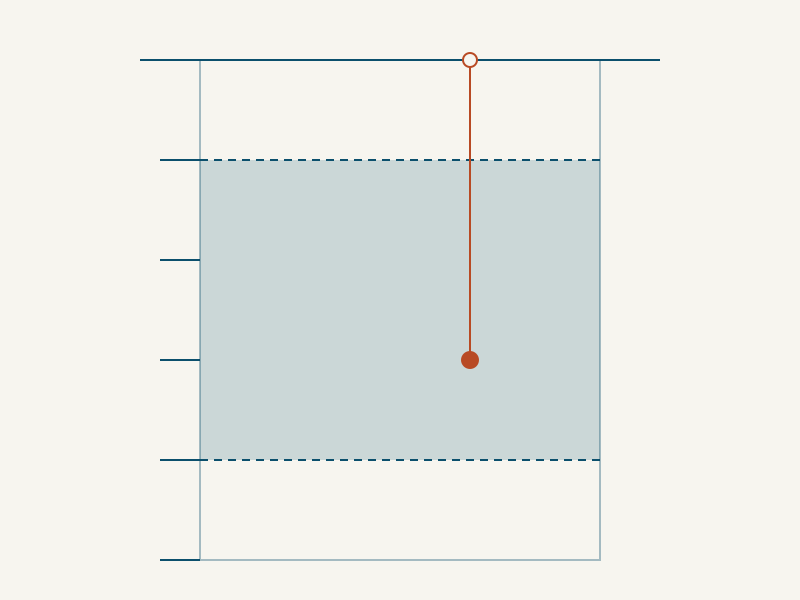
Surface at top, ticks every 500 m. Shaded: 500–2,000 m, a 2015 summary's range from late juveniles on; line and dot: the hooked toothfish the 2007 squid attacked, 1,500 m down.
Colossal squid and toothfish: who eats whom?
Colossal squid and Antarctic toothfish eat each other. The fish can grow up to 2 m long. Researchers aboard two longliners in 2011 to 2014 examined 8,031 toothfish: 71 bore colossal squid attack marks, and 57 had colossal squid remains in their stomachs.
The authors conclude that adults of each prey opportunistically on weakened members of the other, with squid raiding fish already caught on the lines and toothfish eating dead or dying squid. They add that the wild diet of large adults was unknown.
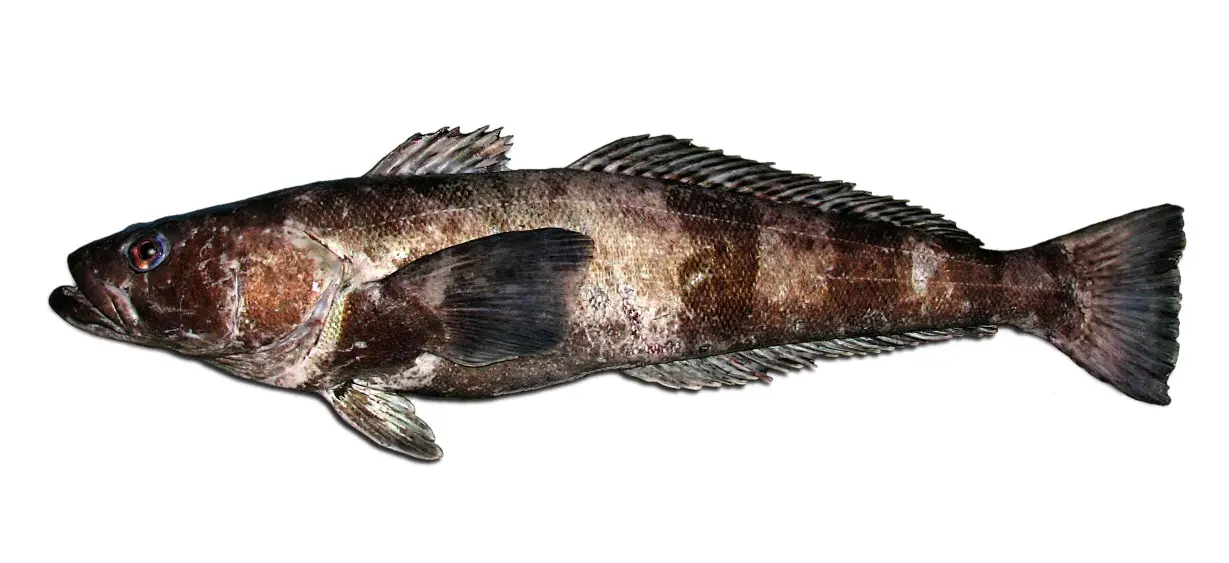
An Antarctic toothfish 87 cm long, from 1,450 m in the Ross Sea in December 2009, according to the photographer.
Te Papa says no one has seen one catch prey. Its educated guess, from how other squid hunt: the squid holds its arms and tentacles over its head, then lunges forward with its large fins. The 2015 paper instead cites the view that it is an ambush or "sit-and-float" predator, not a high-speed hunter.
What did the 2025 footage show?
The juvenile turned up on an Ocean Census expedition aboard the research vessel Falkor (too). Two independent experts, Kat Bolstad and Aaron Evans, confirmed the identification. Juveniles are transparent and eventually lose that look, the institute says, and dying adults had been filmed by fishers, but until then none had been seen alive at depth.
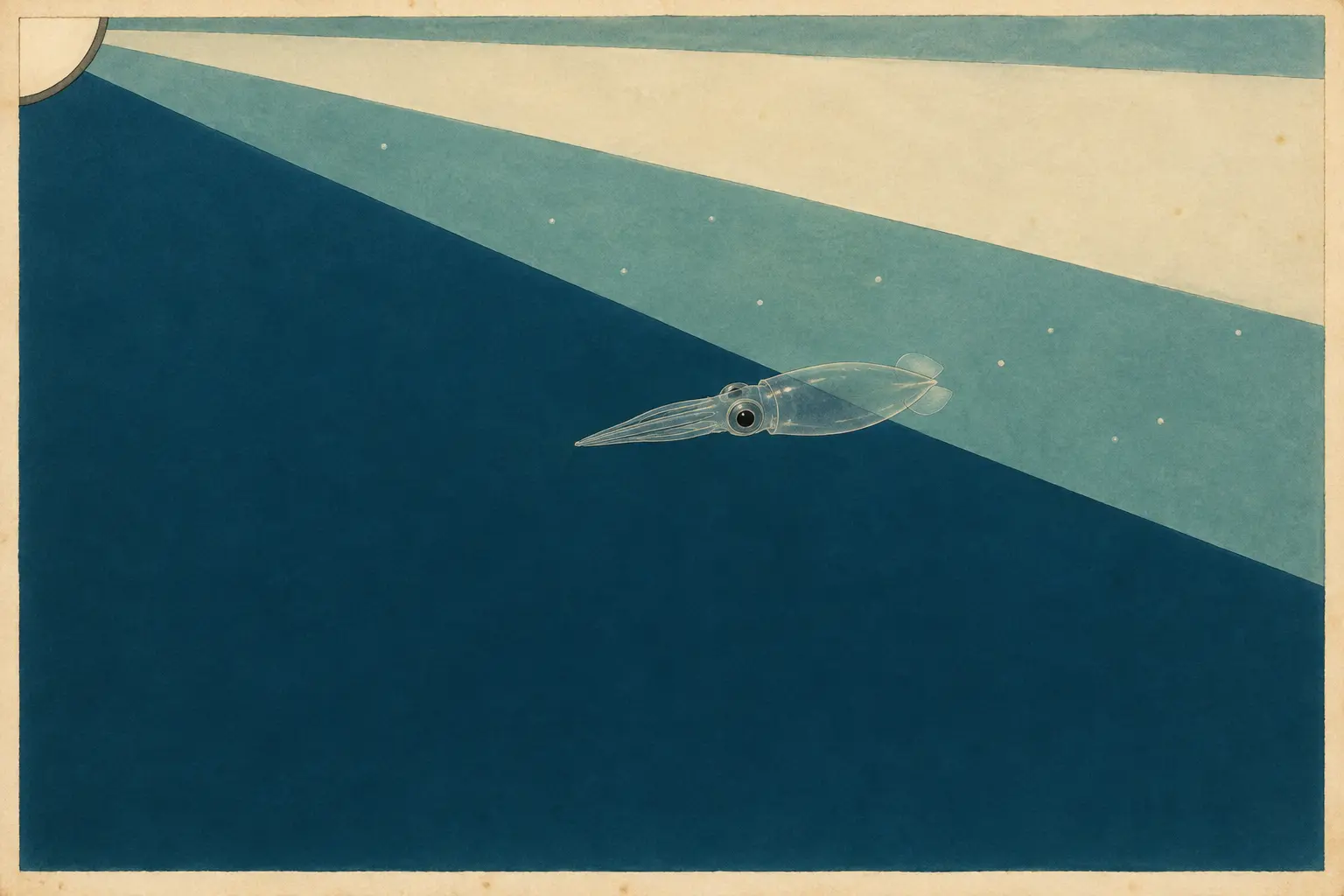
An illustrated scene, not the 2025 footage or that animal: a see-through juvenile squid at the edge of a robot's lamps. The filmed juvenile was about 30 cm long and 600 m down.
Colossal squid or giant squid?
The colossal squid can be confused with the giant squid, Architeuthis dux; Clyde Roper's Tree of Life page names the colossal squid as the only squid that approaches the giant squid in size. Look at the arms. The colossal squid has hooks along their middle, while Roper's description of giant squid arms lists suckers in two rows. Te Papa adds that colossal squid eyes face forward; the giant squid's sit on each side of the head.
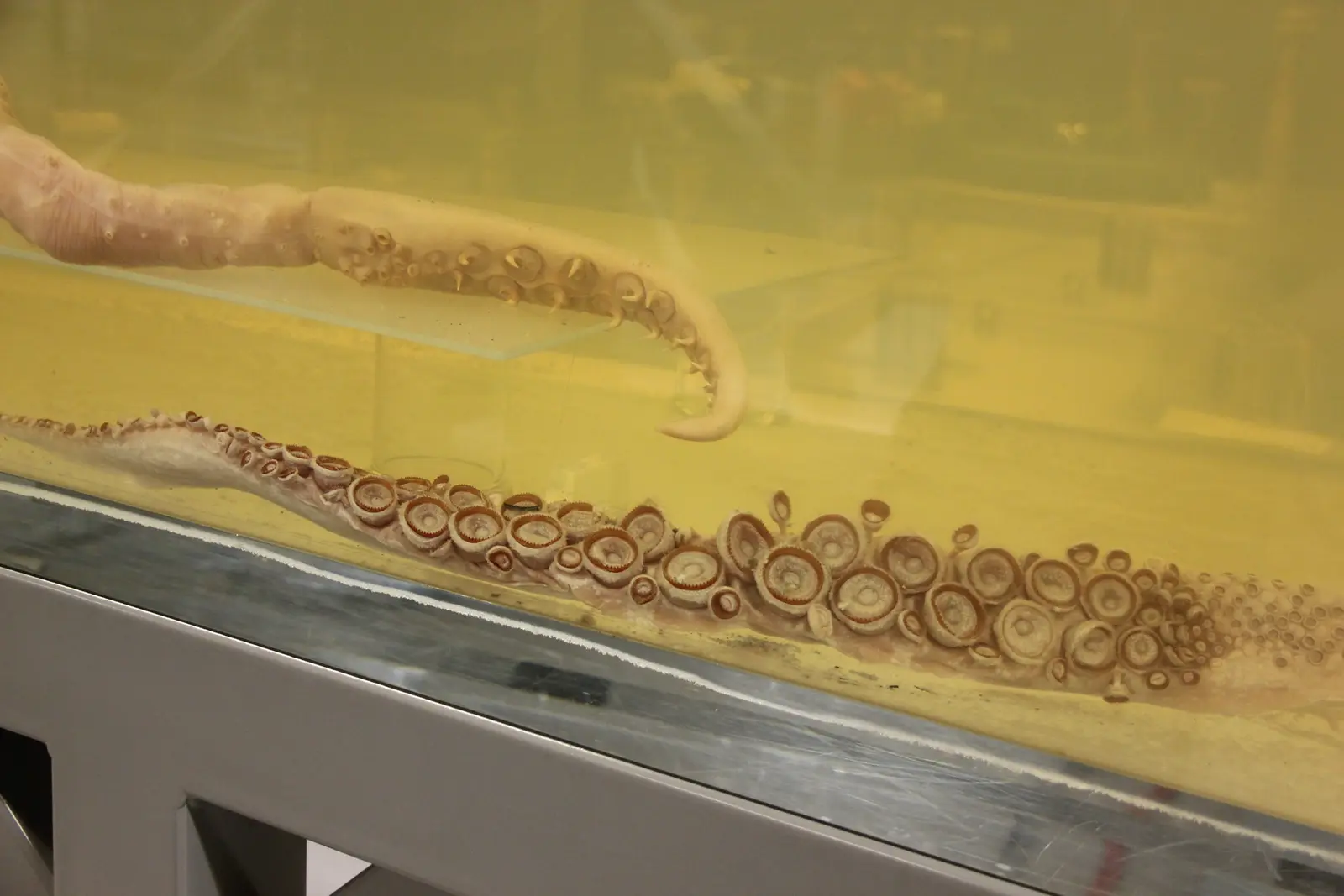
Preserved tentacles in a tank, labeled by the photographer: colossal squid above, its club set with hooks; giant squid below, with rows of ringed suckers.
Size cuts both ways. A 2015 review lists the giant squid as the longest cephalopod (squid, octopuses and their relatives), at 12 m, and the colossal squid as the heaviest, at 495 kg. Te Papa, which puts giant squid at up to about 275 kg, also calls the colossal squid heavier, and so does the 2025 announcement; Roper's page instead calls the giant squid the largest known cephalopod by weight. So the sources disagree.
Young colossal squid have a different look-alike: the glacial glass squid, Galiteuthis glacialis, which is also transparent, with sharp hooks at the ends of its two tentacles. The experts who checked the 2025 footage say hooks on the middle of the arms tell a colossal squid apart, the same character the 1970 paper used to separate it from Galiteuthis.
Next, see how a deep-sea anglerfish is built, part by part: The Anglerfish, Explained Part by Part: Its Lure's Light Is Borrowed.
Figure: Beak size and weight
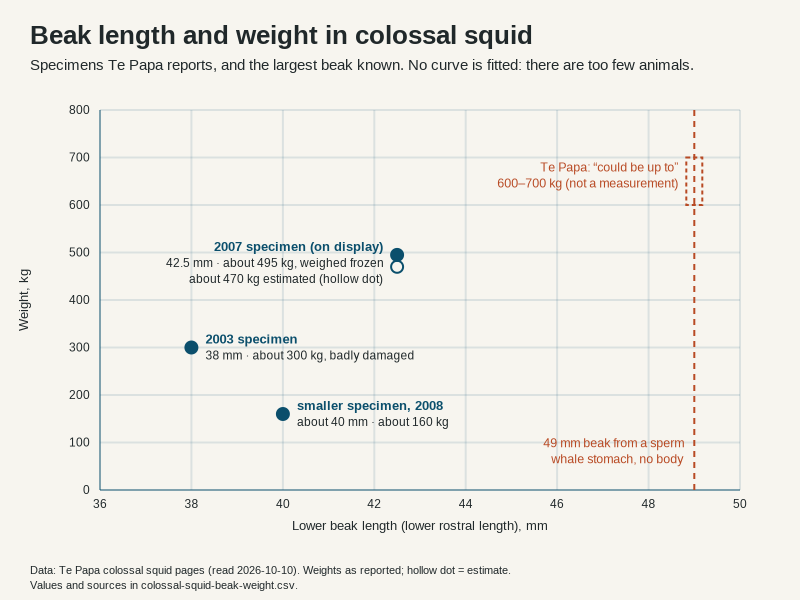
Values as reported on Te Papa's pages (read 2026-10-10). A few millimetres of beak separate the roughly 160 kg animal dissected in 2008 from the 2007 squid; Te Papa does not say whether that animal is the 2003 specimen. Drawn by this site; data in colossal-squid-beak-weight.csv (CSV · JSON label).
Source card
- Images: seven photographs, all via Wikimedia Commons and two of them first posted on Flickr (three CC BY-SA 4.0, two CC BY-SA 3.0, two CC BY-SA 2.0), no public-domain plates, two figures drawn by this site and one generated schematic illustration; photo licenses checked on 2026-10-10 for the two main images and on 2026-10-13 for the other five, with the two Flickr photographs also checked against Flickr's live or archived pages. The club's species name comes from the Commons file and, presumably, a jar label in another photo by the same photographer.
- Classification: WoRMS accepts Mesonychoteuthis hamiltoni (AphiaID 325299) as the only species in its genus, in the glass squid family Cranchiidae; GBIF also lists it as accepted. The look-alike lines follow the misidentification twin rules.
- Data: every number traces to a numbered source below.
Corrections: none yet.
Sources
- Schmidt Ocean Institute. "First Confirmed Footage of a Colossal Squid—and it's a Baby!" Press release, April 15, 2025 schmidtocean.org/first-colossal-squid-footage/full page read
- Museum of New Zealand Te Papa Tongarewa. "Colossal squid at Te Papa." Te Papa Digital Museum www.tepapa.govt.nz/digital-museum/explore-digital-museum/colossal-squid/colossal-squid-te-papafull page read
- National Center for Health Statistics. "FastStats: Body Measurements" (data: Anthropometric Reference Data for Children and Adults: United States, August 2021–August 2023; page last reviewed June 26, 2025). Centers for Disease Control and Prevention www.cdc.gov/nchs/fastats/body-measurements.htmfull page read
- McSweeny ES. "Description of the juvenile form of the Antarctic squid Mesonychoteuthis hamiltoni Robson." Malacologia 10(2):323–332 (1970) archive.org/details/biostor-59539full text (BioStor scan on the Internet Archive)
- McClain CR, Balk MA, Benfield MC, Branch TA, Chen C, Cosgrove J, et al. "Sizing ocean giants: patterns of intraspecific size variation in marine megafauna." PeerJ 3:e715 (2015) doi.org/10.7717/peerj.715full text read via Europe PMC, PMC4304853 (CC BY 4.0)
- Museum of New Zealand Te Papa Tongarewa. "How big is the colossal squid on display?" Te Papa Digital Museum www.tepapa.govt.nz/digital-museum/explore-digital-museum/colossal-squid/colossal-squid-te-papa/how-big-colossal-squid-onfull page read
- Museum of New Zealand Te Papa Tongarewa. "The difference between colossal squid, giant squid, and octopus." Te Papa Digital Museum www.tepapa.govt.nz/digital-museum/explore-digital-museum/colossal-squid/difference-between-colossal-squid-giant-squidfull page read
- Museum of New Zealand Te Papa Tongarewa. "The beak of the colossal squid." Te Papa Digital Museum www.tepapa.govt.nz/digital-museum/explore-digital-museum/colossal-squid/anatomy-colossal-squid/beak-colossal-squidfull page read
- Museum of New Zealand Te Papa Tongarewa. "The body of the colossal squid." Te Papa Digital Museum www.tepapa.govt.nz/digital-museum/explore-digital-museum/colossal-squid/anatomy-colossal-squid/body-colossal-squidfull page read
- Museum of New Zealand Te Papa Tongarewa. "The arms and tentacles of the colossal squid." Te Papa Digital Museum www.tepapa.govt.nz/digital-museum/explore-digital-museum/colossal-squid/anatomy-colossal-squid/arms-and-tentaclesfull page read
- Remeslo AV, Yakushev MR, Laptikhovsky V. "Alien vs. Predator: interactions between the colossal squid (Mesonychoteuthis hamiltoni) and the Antarctic toothfish (Dissostichus mawsoni)." Journal of Natural History 49:2483–2491 (2015) doi.org/10.1080/00222933.2015.1040477full text read via Zenodo record 4000763
- MolluscaBase eds. (2026). MolluscaBase. Mesonychoteuthis hamiltoni G. C. Robson, 1925. Accessed through: World Register of Marine Species (AphiaID 325299), with its classification, genus children, distribution and vernacular names via the WoRMS REST API www.marinespecies.org/aphia.php?p=taxdetails&id=325299taxon records
- Museum of New Zealand Te Papa Tongarewa. "How the colossal squid feeds." Te Papa Digital Museum www.tepapa.govt.nz/digital-museum/explore-digital-museum/colossal-squid/life-and-habits-colossal-squid/how-colossalfull page read
- Roper CFE. "Architeuthidae Pfeffer 1900, Architeuthis Steenstrup 1857, Architeuthis dux Steenstrup, 1857." Version 27 February 2016. The Tree of Life Web Project tolweb.org/Architeuthis_duxfull page read
- Museum of New Zealand Te Papa Tongarewa. "The eyes of the colossal squid." Te Papa Digital Museum www.tepapa.govt.nz/digital-museum/explore-digital-museum/colossal-squid/anatomy-colossal-squid/eyes-colossal-squidfull page read
- MolluscaBase eds. (2026). MolluscaBase. Galiteuthis glacialis (Chun, 1906). Accessed through: World Register of Marine Species (AphiaID 325297) www.marinespecies.org/aphia.php?p=taxdetails&id=325297taxon record
- GBIF Secretariat. GBIF Backbone Taxonomy, species match for Mesonychoteuthis hamiltoni (usageKey 2289991) api.gbif.org/v1/species/match?name=Mesonychoteuthis%20hamiltonispecies match result
- Museum of New Zealand Te Papa Tongarewa. "The life and habits of a colossal squid." Te Papa Digital Museum www.tepapa.govt.nz/digital-museum/explore-digital-museum/colossal-squid/life-and-habits-colossal-squidfull page read
Cite this page
Plankton to Plumage. “Colossal Squid: The First One Confirmed on Video at Depth (2025) Was Nearly a Foot Long.” October 12, 2026. https://planktontoplumage.com/deep-sea/colossal-squid/
Add the date you read the page after the address if your style guide asks for it.