Every shape in nature has a reason.
For anyone who spots a strange creature and wants to know what it is and why it is shaped that way: a field guide to natural forms, built from institution-grade images and diagrams recomputed from data.
Specimen of the week
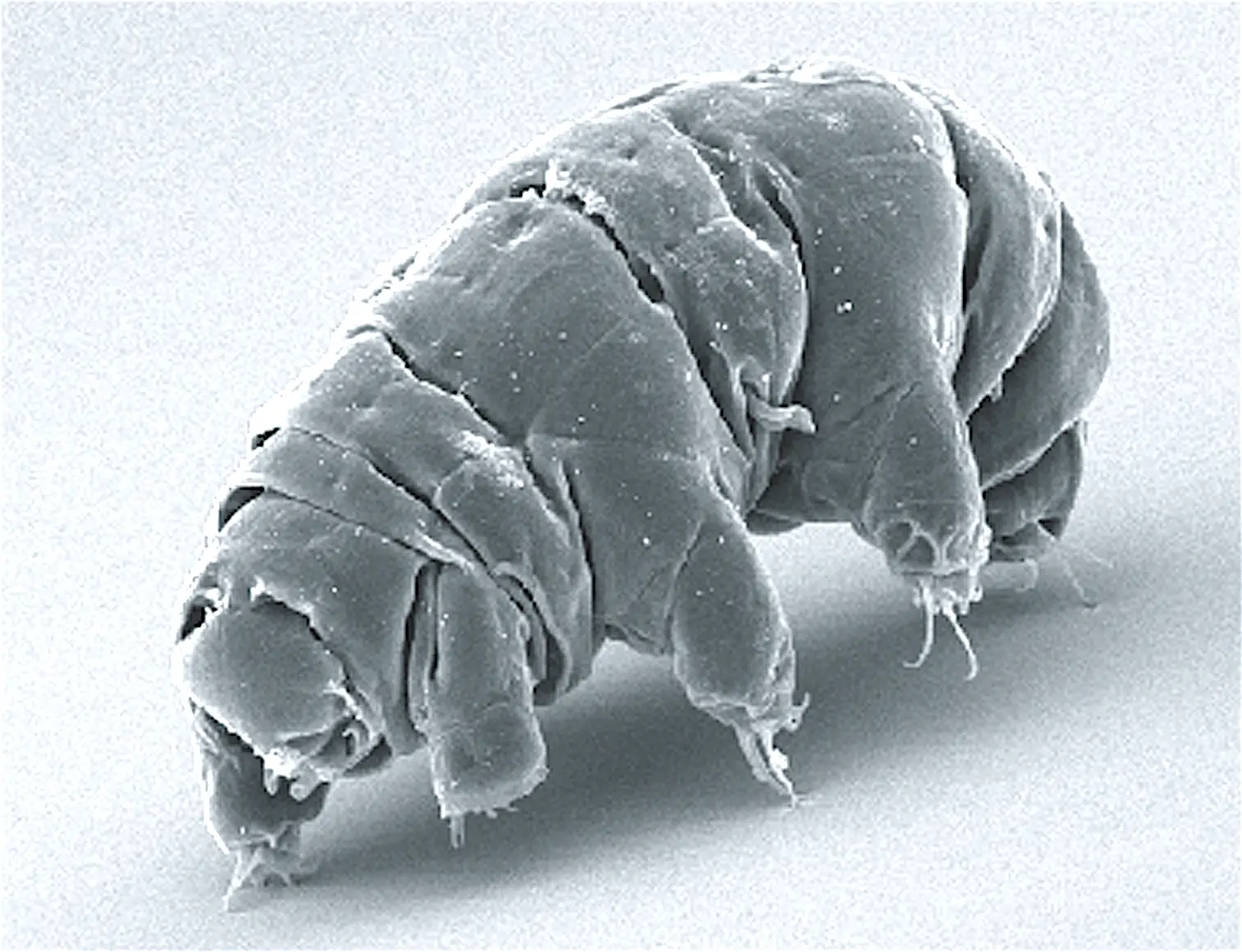
The MicroscopicDeep explainer
Tardigrades: Heat, Sunlight in Space and Fast Impacts Can Kill Them
Shaded and dried, tardigrades survived 10 days in open space. Awake, a day at 37 °C stopped about half of one species. See where each survival record breaks.
Six drawers
Every entry is filed in one of them.
-
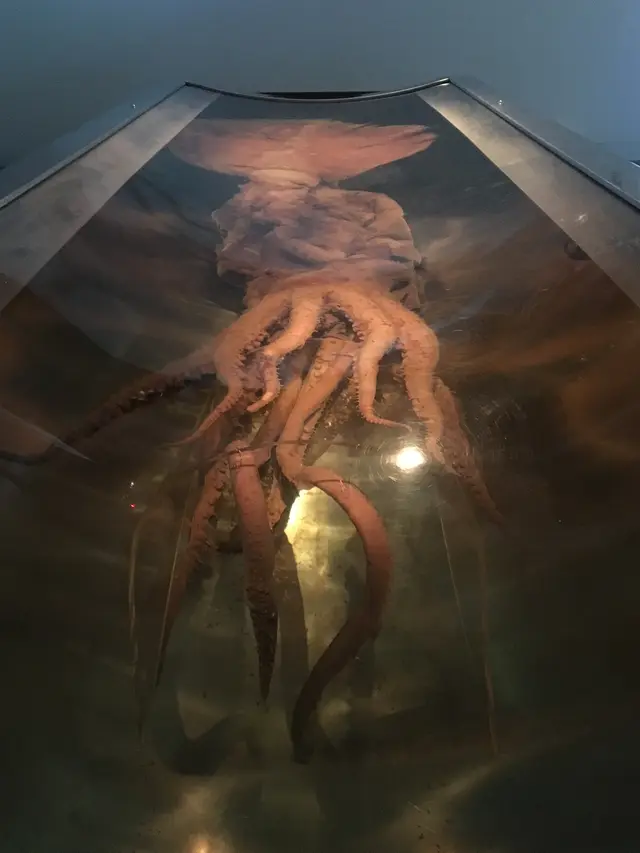
Deep Sea
Deep-sea life and the exploration that reaches it. 3 entriesPhoto credit
"Colossal squid in Te Papa" by Scotted400 — https://commons.wikimedia.org/wiki/File:Colossal_squid_in_Te_Papa.jpg — CC BY-SA 4.0 (https://creativecommons.org/licenses/by-sa/4.0/)
-
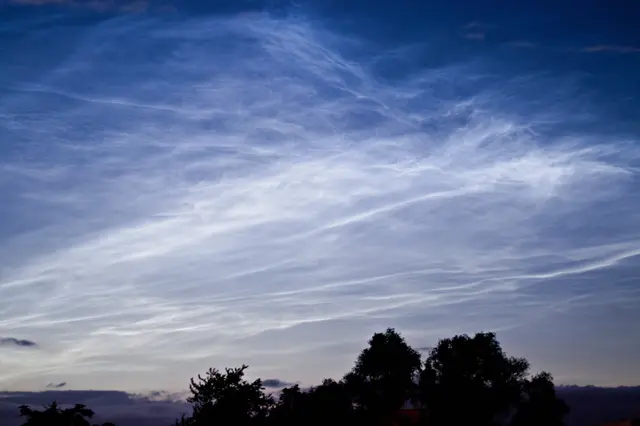
Clouds & Sky Optics
Clouds and atmospheric optical phenomena, named by the WMO International Cloud Atlas. 3 entriesPhoto credit
"Noctilucent Cloud over Rostock II" by okruz — https://commons.wikimedia.org/wiki/File:Noctilucent_Cloud_over_Rostock_II.jpg — CC0 1.0 (https://creativecommons.org/publicdomain/zero/1.0/)
-
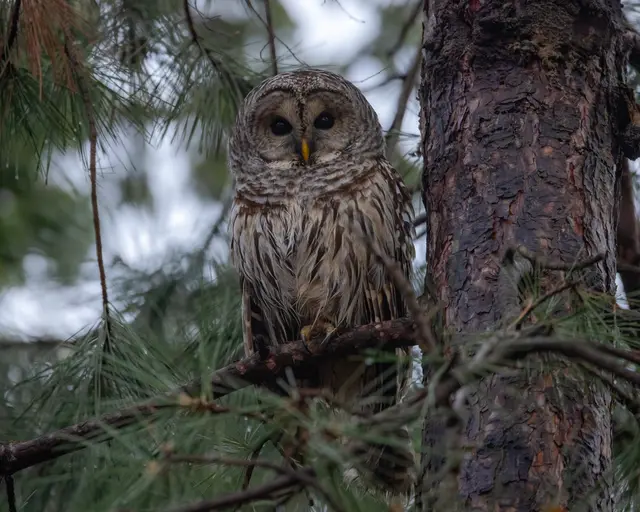
Feathers
How bird feathers are built, and how to identify them. 3 entriesPhoto credit
"iNaturalist photo 456559970" by Derek Spencer — https://www.inaturalist.org/photos/456559970 — CC BY 4.0 (https://creativecommons.org/licenses/by/4.0/)
-
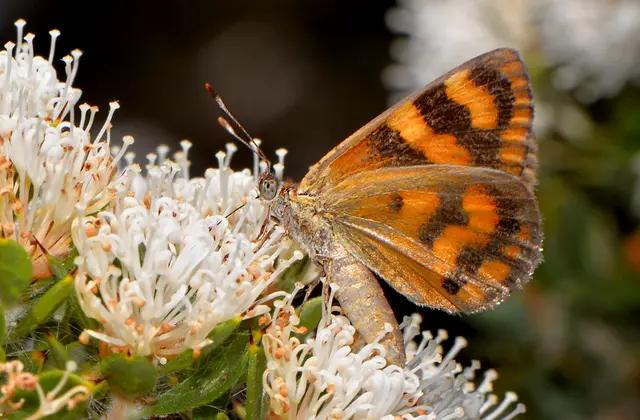
Insects
Insect form and behavior. 3 entriesPhoto credit
"Synemon directa" by Jean and Fred from Perth, Australia — https://commons.wikimedia.org/wiki/File:Synemon_directa_-_Flickr_-_jeans_Photos.jpg — CC BY 2.0 (https://creativecommons.org/licenses/by/2.0/)
-
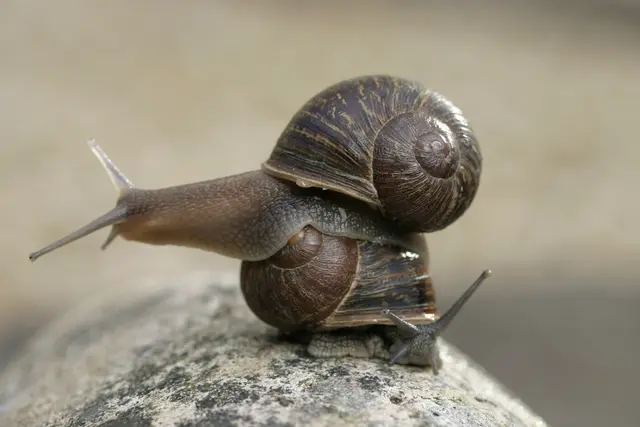
Shells
How shells are shaped and how they grow. 3 entriesPhoto credit
"Jeremy the left-coiling snail on top of a right-coiling snail, Theresa" by Angus Davison — https://commons.wikimedia.org/wiki/File:Jeremy_the_left-coiling_snail_on_top_of_a_right-coiling_snail,_Theresa.jpg — CC BY-SA 4.0 (https://creativecommons.org/licenses/by-sa/4.0/)
-
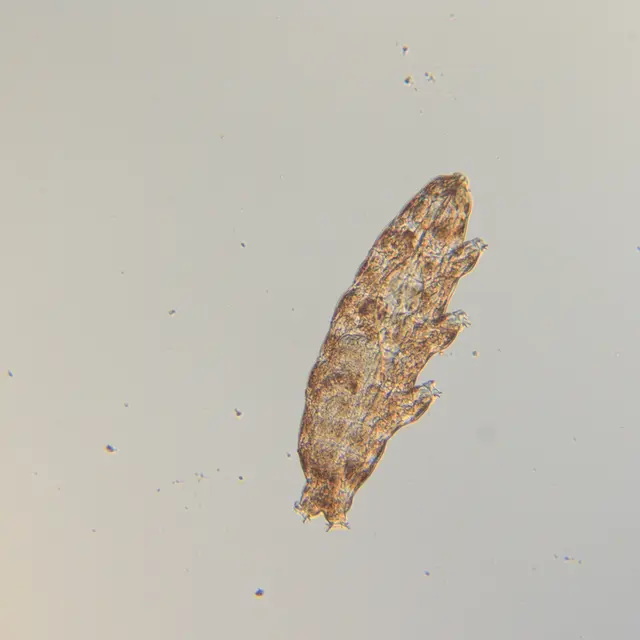
The Microscopic
Microscopic organisms. 3 entriesPhoto credit
"iNaturalist photo 450375233" by Lukas Schärer (iNaturalist observation 251679671) — https://www.inaturalist.org/photos/450375233 — CC BY 4.0 (https://creativecommons.org/licenses/by/4.0/)
Latest entries
- No. 0001
Tardigrades: Heat, Sunlight in Space and Fast Impacts Can Kill Them
Shaded and dried, tardigrades survived 10 days in open space. Awake, a day at 37 °C stopped about half of one species. See where each survival record breaks.
Photo credit
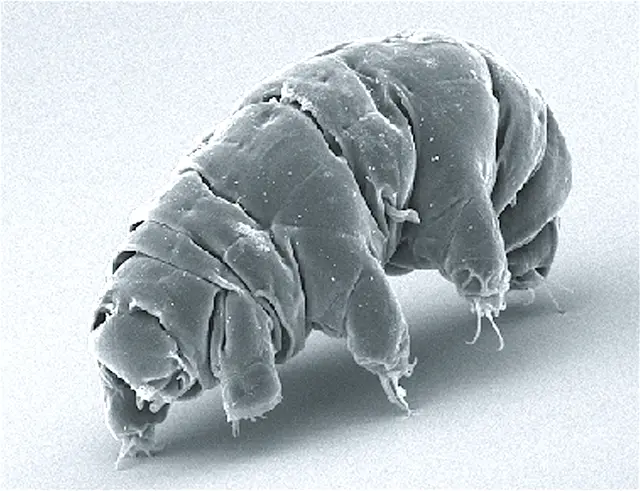
"SEM image of Milnesium tardigradum in active state" by Schokraie E, Warnken U, Hotz-Wagenblatt A, Grohme MA, Hengherr S, et al. (2012) — https://commons.wikimedia.org/wiki/File:SEM_image_of_Milnesium_tardigradum_in_active_state_-_journal.pone.0045682.g001-2.png — CC BY 2.5 (https://creativecommons.org/licenses/by/2.5/)
- No. 0002
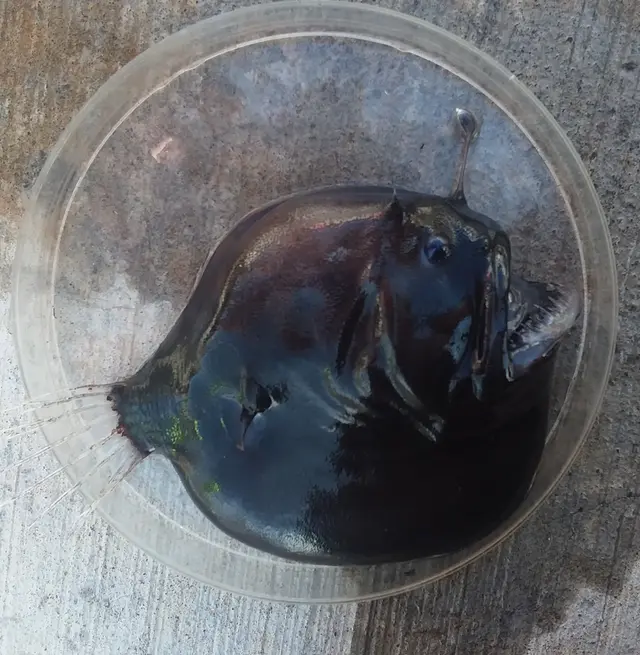
The Anglerfish, Explained Part by Part: Its Lure's Light Is Borrowed
A deep-sea anglerfish's lure glows with bacteria that likely come from seawater, and fused males are on record in only some families. The fish, part by part.
Photo credit
"iNaturalist photo 114465635" by kbkash (iNaturalist observation 70414155) — https://www.inaturalist.org/photos/114465635 — CC0 1.0 (https://creativecommons.org/publicdomain/zero/1.0/)
- No. 0003
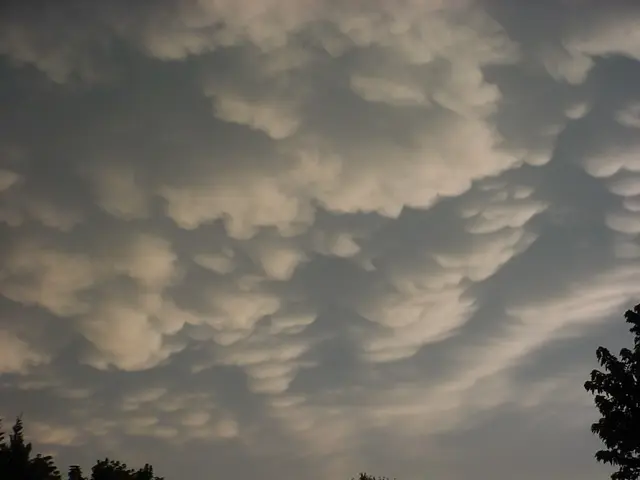
Mammatus Clouds: Sinking Pouches That Fade in About 10 Minutes
Mammatus clouds are pouches of sinking cloud under a storm anvil. See how big the lobes are, how long they last, why they form, and whether they mean danger.
Photo credit
"Mammatus Clouds Norman OK 13JUN2005 0156 UTC" by Katharine Kanak — https://commons.wikimedia.org/wiki/File:Mammatus_Clouds_Norman_OK_13JUN2005_0156_UTC.jpg — CC BY-SA 4.0 (https://creativecommons.org/licenses/by-sa/4.0/)
- No. 0004
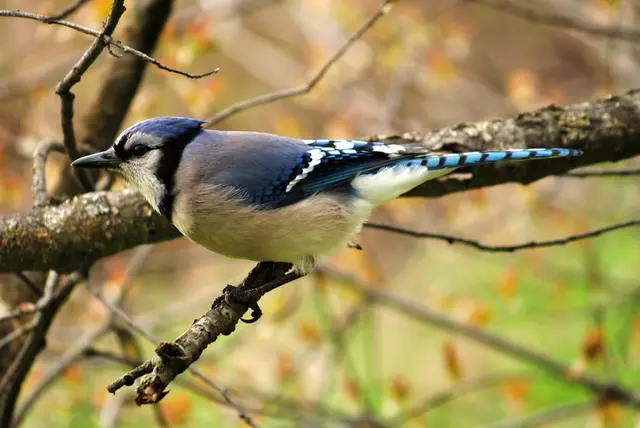
Blue Without Blue Pigment: How a Blue Jay Feather Makes Its Color
Blue Jay feathers hold brown melanin, not blue pigment. Their blue comes from a keratin-and-air sponge inside each barb, over a dark layer of melanin.
Photo credit
"Blue Jay 2010-05-09" by Antoine Letarte — https://commons.wikimedia.org/wiki/File:Blue_Jay_2010-05-09.jpg — CC BY 3.0 (https://creativecommons.org/licenses/by/3.0/)
- No. 0005
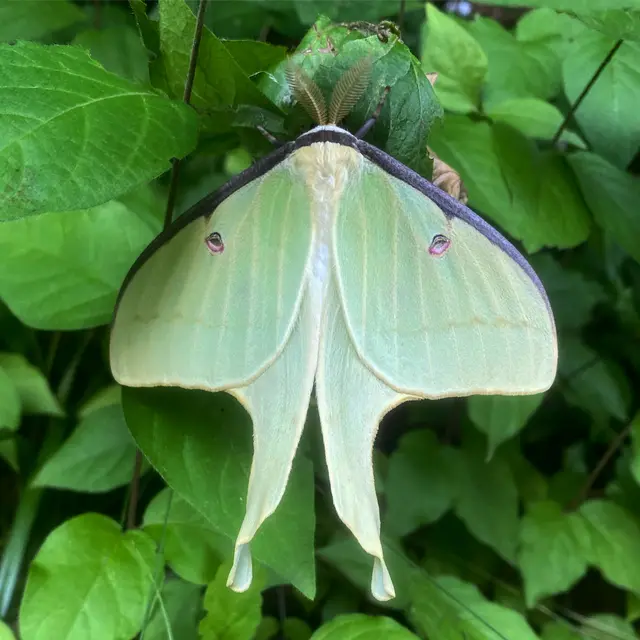
Luna Moth: The Adult Can't Eat, So Its Caterpillar Pays for the Week
Adult luna moths have mouthparts that do not work. For about a week they fly, mate and lay eggs on energy the caterpillar stored. How that week runs.
Photo credit
"Luna Moth (Actias luna) on foliage" by Abigail Staffelbach — https://commons.wikimedia.org/wiki/File:Luna_Moth_(Actias_luna)_on_foliage.jpg — CC0 1.0 (https://creativecommons.org/publicdomain/zero/1.0/)
- No. 0006
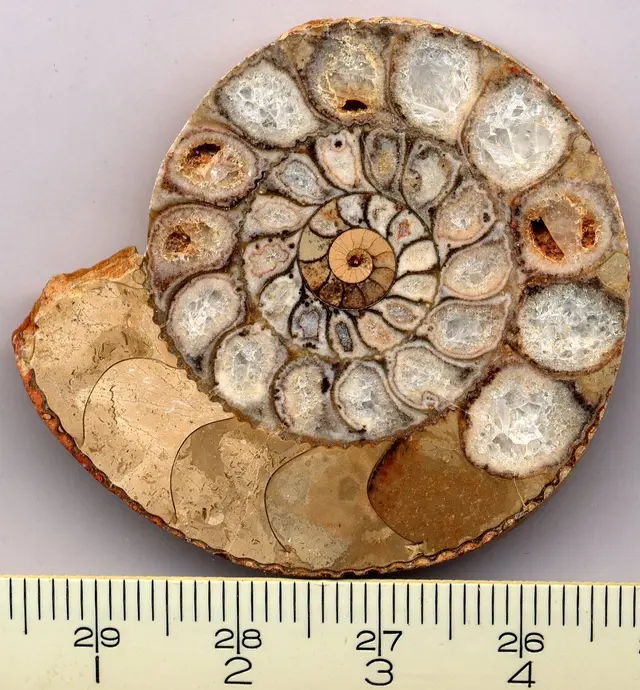
A Seashell Is an Equation: Four Numbers Draw Both a Snail and a Clam
One rule with four numbers draws a clam valve, a flat ammonoid coil or a tall spire. What Raup's shell coiling model explains, and where real shells break it.
Photo credit
"Ammonite section" by Tomomarusan — https://commons.wikimedia.org/wiki/File:Ammonite_section.JPG — CC BY 2.5 (https://creativecommons.org/licenses/by/2.5/)
- No. 0007
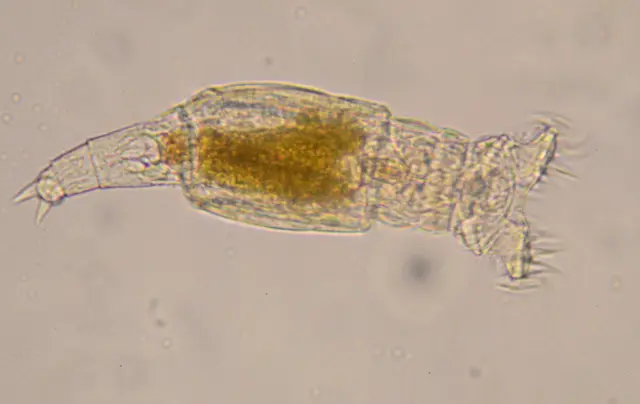
Bdelloid Rotifers: Hundreds of Species, Not One Known Male
No male bdelloid rotifer has ever been reported. Learn how most of these sand-grain-sized animals dry out at any age, which ones cannot, and why 'no sex' is debated.
Photo credit
"Philodina acuticornis 295469" by Don Loarie — https://commons.wikimedia.org/wiki/File:Philodina_acuticornis_295469.jpg — CC BY 4.0 (https://creativecommons.org/licenses/by/4.0/)
- No. 0008
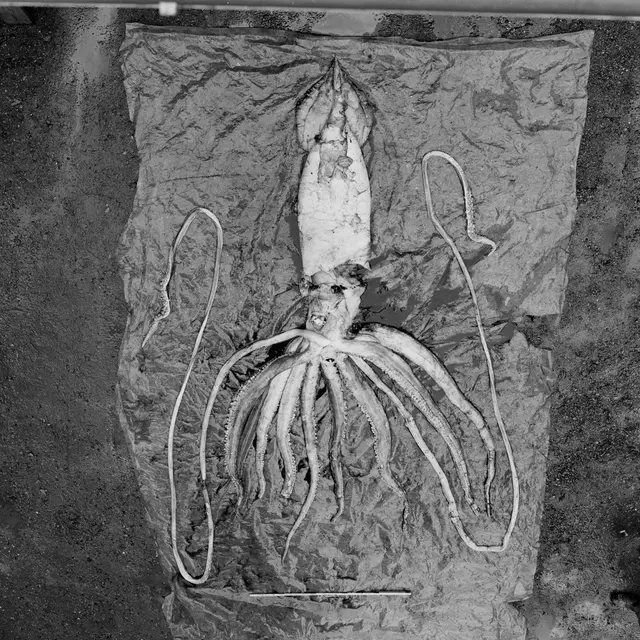
Giant Squid: About 20 Species Were Named, and Probably Only One Exists
About 20 giant squid species were named, but DNA from 43 animals fits a single one. See how long it gets, where it lives and when it was first seen at depth.
Photo credit
"Kjempeblekksprut - Giant squid" by NTNU Vitenskapsmuseet — https://commons.wikimedia.org/wiki/File:Kjempeblekksprut_-_Giant_squid.jpg — CC BY 2.0 (https://creativecommons.org/licenses/by/2.0/)
18 entries filed so far.
Random entry
Open a random entryPicks one of the 18 entries in the cabinet.
Identify a find
Start from the drawer that matches what is in front of you.